 Bookbinding was once a very popular craft. There was a time when you could walk into a service store and create any ensemble of a novel or comic or magazine you so desired. But fast-forward to the 21st century, where you can instantaneously download the latest best-seller to your iPad.
So in a world dominated by nifty gadgets, where does bookbinding fit in? One San Francisco crafting company has an answer: bookbinding for technology. Yep, DODOcase (named after the infamously extinct bird) creates stylish covers and frames for your e-reader or smartphone with traditional bookbinding technique. Talk about survival of the fittest! ZOOEY recently visited the headquarters of DODOcase to get more details on how such a great idea came in the nick of time.


The DODOcase was founded out of a want to preserve a presumed dying art form – bookbinding. When did it hit you that bookbinding was in trouble?
After having reluctantly transitioned to e-reader devices in the years before the original Apple iPad launched (April 2010), the founders of DODOcase had separately experienced a sense of loss in partially removing hardback-style books from their lives. These new sleek, aluminum tablets were taking the place of traditional books that once offered a tactile and personal connection to what was inside.
This is a really neat concept – to create book-like cases for modern electronics. What inspired such a savvy idea?
When the iPad was announced it was clear that the demise of the book and the craft of bookbinding [were] going to be further hastened. We saw that the iPad was going to likely need a case and decided that we'd leverage the rich traditions of bookbinding in the Bay Area (San Francisco specifically) and the wealth of available local talent and resources to help drive our product concept. From those inputs the original DODOcase was born.
In addition, it was our desire to create a human connection between craftsmen and consumers, while preserving traditional bookbinding techniques from becoming extinct. Our products evoke a sensation of eras gone by, of detailed craftsmanship and lasting quality.
One objective of the DODOcase is to find common ground between the old and the new. How do you design styles for a traditional object, like a bookbinder, that will appeal to the contemporary world?
DODOcase has always sat at the interesting intersection of modern devices and heritage aesthetics. We found that as much as consumers might be rushing into the future, many are still longing for a connection to the past. The pace of change in modern society is staggering, which means that people end up feeling overwhelmed. DODOcase helps ground these customers with products that clearly embrace both the future and the past. As more and more modern objects enter our lives, DODOcase will be there to help put them into the context of the past.
Not only do you want to bring together the past and the future, but it seems like you want to bring together the community too. Is that why all your products are made in the company’s own San Francisco office? Why did you choose to keep the manufacturing so close to home?
Manufacturing locally is both core to the brand and key to our strategy. San Francisco is home to some of the world’s greatest craftsmen and women, which is an incredible resource. Our facility in SF allows us to do several unique things: 1) we can offer made to order products via our Build-a-DODO customizer and through our corporate program 2) we can create new products quickly in response to new market opportunities (we typically begin shipping products within 2 weeks of an Apple launch, for example). We want our customers to carry DODOcase products with such a pride of ownership that they are willing to share at any opportunity. 3) We want to support local businesses and the San Francisco economy.
What is the process behind creating the cases? How does a sketch become a finished product?
We have an ongoing product development function at DODOcase that creates prototypes, which are first tested internally and second externally. We try to involve our community in testing new products that we really believe in. Because the tools of production and prototyping are all under one roof in SF, we have the ability to test concepts across many materials. This is a really unique concept in our industry where most other case makers are outsourcing their development and manufacturing overseas.
What is your best-selling case? Is there a kind of style or fashion your customers like the most?
Our namesake product (and our most popular) is the DODOcase, which combines a book bound-style exterior cover made from high quality fabric and a super lightweight, durable bamboo tray. Customers may personalize their cases with a monogram or custom text on the front cover or spine of the book. Increasingly, our customers are expressing their own style in our Build-A-DODO customizer, which makes every product unique! We also tend to get a lot of uptake in our collaborative projects with artists.
By the looks of it, DODOcase has had a lot of success over the past few years. What do you see in the future for DODOcase? How do you plan to keep the company up to date with the ever-evolving world of technology?
The world of modern technology is going to continue to evolve in the coming years from e-watches to Google Glass. We are going to see change happen at a dizzying pace. DODOcase will be there every step of the way with products that ground the customer via materials and traditional techniques. Our brand will become synonymous with the resurgence of American manufacturing and the fostering of a genuine connection between consumers and craftsmen.
Photographed by Indu Huynh
Interview by Amanda Evans

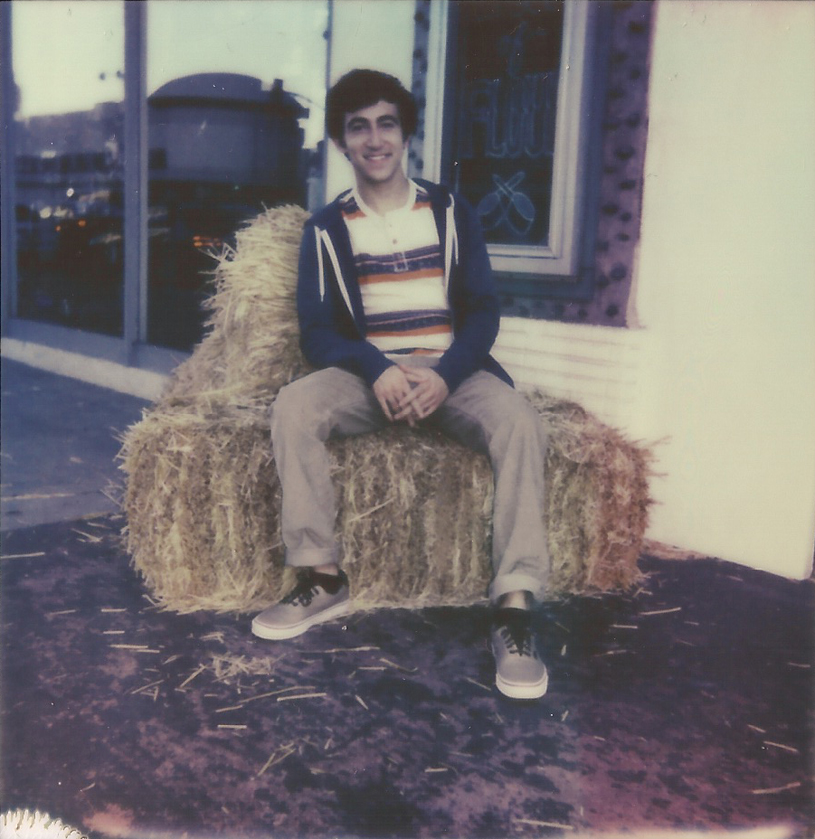
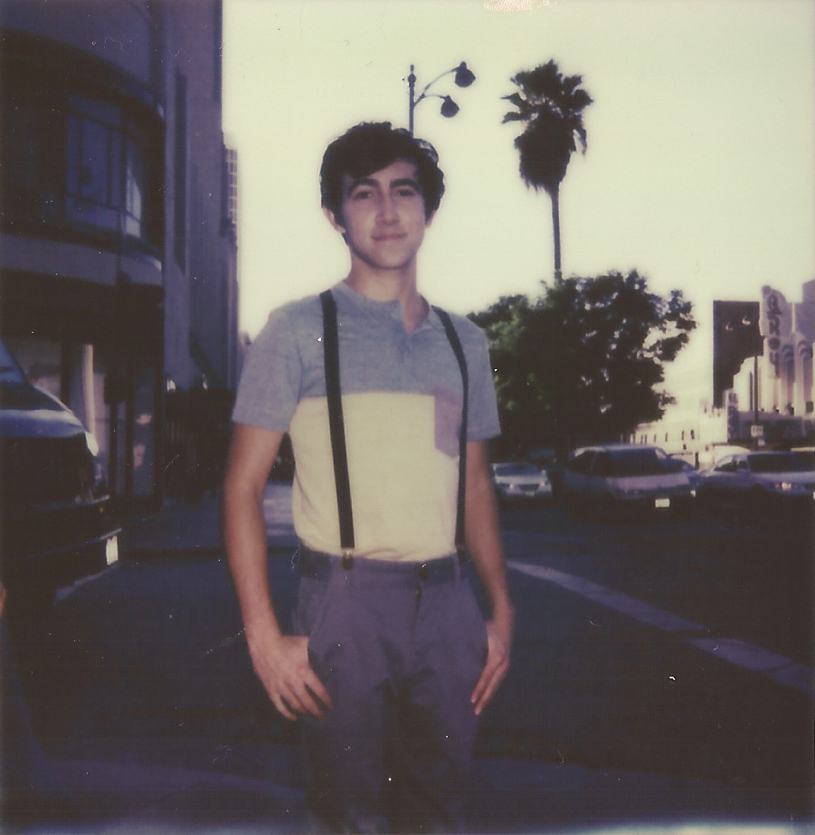
 Vincent Martella has been on your television screen for years. You might recognize him from "Everybody Hates Chris," or you might know him for his voice as he gives life to Phineas in Disney's "Phineas and Ferb." This newly 21-year-old is now on the hit show "The Walking Dead," and recently appeared in its season premiere last week which was already a dramatic turn for this new character (we won't share spoilers!).